
Blackjack 21+3 Side Bet: A Measured Look At The Extra Wager

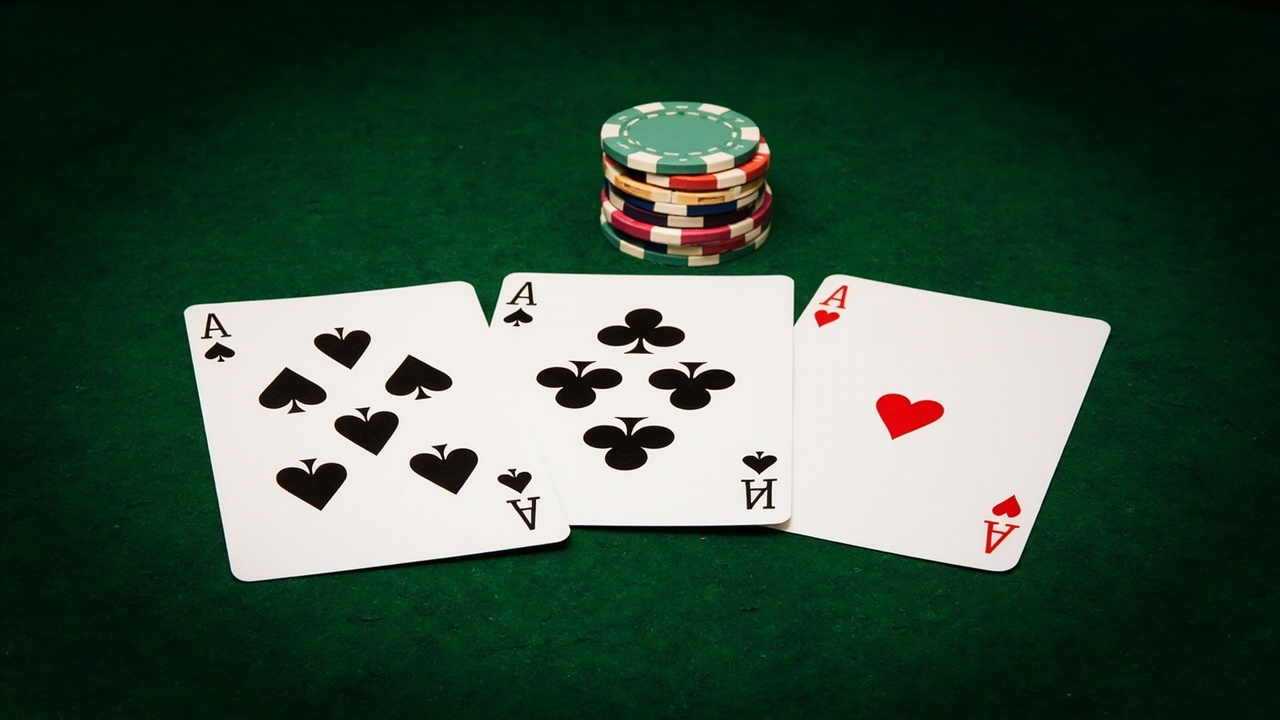
If you have played cards long enough, you know the moment a dealer flips a third card and the table hums with possibility. That is exactly where the blackjack 21+3 side bet sits, a wager that pays when your first two hole cards and the dealer’s upcard land on a suited three of a kind, a straight flush, or a straight. It feels like a quick thrill, but anyone who has tracked card distribution over a full arvo knows the math does not care about the adrenaline. I have sat through enough slow-paced shoe rotations to tell you that side bets are the casino’s quiet margin, and they reward patience far less often than they reward hope.
The appeal is straightforward enough for a Saturday night at a crowded Newcastle club. You are already at the table, the cards are in motion, and the side bet asks for a small slice of the action without changing how you play your main hand. At blackjack 21+3 side bet tables, the payouts usually climb past the base game’s ordinary edge, which is why players chase the suited three of a kind and the straight flush with a bit more focus than the straight. The catch is that the deck does not rearrange itself to please you, and the same shoe that produces a flash of suited kings can go quiet for dozens of hands. I have watched enough live tables to know that the rhythm can feel as unpredictable as a delayed Sydney train, where the promise of movement never quite matches the actual arrival.
What separates a sensible side bet from a noisy one is the table layout, the paytable, and https://westpac.urtestsite.com/ the way the operator frames it. A transparent setup tells you the exact payouts for each combination and keeps the wording plain rather than dressed up with flashy terminology. The everyday usability comes down to whether you can read the table at a glance, place the chip without blocking your main wager, and walk away without feeling like the game has shifted under you. In my experience, the tables that work best are the ones that treat the side bet as an optional garnish rather than the main course, and that restraint shows up in how the paytable is printed and how the dealer explains it when a new player sits down.
Race calling is a distinctive Australian broadcasting art form, and it has a useful lesson for anyone reading a paytable on the fly. A good caller does not hype every runner; they describe the field, note the conditions, and let the numbers speak. The same discipline matters here, because the blackjack 21+3 side bet rewards players who understand the combinations before they throw chips at a flashy payout. I have found that the clearest tables are the ones where the suited three of a kind and the straight flush are printed in plain order, with no extra wording that turns a simple combination into a marketing moment.
Georgia Anderson, Commercial Director, Capital Territory Gaming Forum, has put it more directly than most: “A side bet only earns its place when the paytable is readable and the player knows exactly what combinations they are chasing.” That is the sort of caveat that matters when you are weighing a quick wager against the slower grind of the main game. The side bet can be enjoyable, but enjoyment is not the same as expectation, and anyone who treats it like a shortcut is usually the one left explaining the loss over a flat white after the session.
The practical side of playing well is less about chasing a big hit and more about keeping the bet in proportion to the rest of your table action. A measured stake means you can sit through a quiet run without feeling pressured to chase the next suited combination, and it also means you are not turning a side wager into the reason you stay at a table longer than you intended. I have seen enough players overcommit to the flashier payouts to know that discipline matters more than the size of the printed prize. The tables that work best are the ones where the side bet is clearly optional, the paytable is legible, and the dealer does not lean into the excitement as if it were a promise.
Australian players also need to keep the local reality in mind, because the rules around online play are not the same as the rules around a club table. No offshore casino play is licensed or regulated in Australia, and that is a point worth keeping in front of you when you are comparing tables, apps, or promotional offers. A sensible approach means reading the terms, checking the paytable, and treating any bonus as a limited extra rather than a reason to change how you play. If you want a clearer starting point for comparing offers, you can look at a $10 payid casino no deposit bonus as one example of how a small promotional slice can shape your first session without changing the underlying maths.$10 payid casino no deposit bonus
The mobile and registration side of things matters only if it stays out of your way. A clean sign-up flow, a straightforward payment menu, and support that answers a plain question without hiding behind vague wording are the traits that make a table or app usable on a weeknight. Loyalty, when it exists, should feel like a quiet record of your play rather than a hard push toward bigger stakes, and the best operators keep the wording modest. I have always preferred setups where the side bet is presented as a clear option with a readable paytable, because that makes it easier to decide whether the extra wager fits the session you actually want.
If you are weighing the blackjack 21+3 side bet against the rest of the table, the honest read is that it is a small, optional thrill with a clear cost and a clear ceiling. It can be fun on a busy arvo when the cards are moving and the table is lively, but it is not a substitute for understanding the main game or for playing within a stake you are comfortable with. The tables that make sense are the ones that keep the paytable plain, the wording modest, and the option genuinely optional, so you can enjoy the moment without pretending the numbers have changed.