
Most Aussie punters reckon they can sniff out a dodgy site within a few clicks, yet the reality around casino gambling ACMA blocked sites is messier than that. After running eight properties across Asia-Pacific, I have watched waves of offshore brands copy the visual cues of regulated operators – dark backdrops, gold trim, cartoon mascots – only to vanish the moment a complaint lands. The Australian Communications and Media Authority maintains a public register of services it has asked ISPs to block, and that list grows steadily each quarter. When a brand appears there, it usually means the operator is offering interactive wagering services to Australians without holding a licence from an Australian state or territory regulator.
The honest way is to use those block notices as a signal rather than a punchline. A site sitting beside dozens of similar entries on the ACMA register tells you something useful about how it conducts business, and that is where the visual identity, navigation, language choices and overall usability of these brands deserve a closer look. A pretty lobby can hide a payout queue you will never see.
Interface, Visual Identity and Navigation After ACMA Attention
Once a brand lands on the blocked-sites list, the operator usually scrambles to rebuild credibility through design. From what I have seen across six pre-openings in markets where regulators moved fast, that translates into cleaner lobbies, sharper typography and tighter menu structures than the brand had at launch. Compare that with established properties on the Las Vegas Strip, where the New York-New York casino leans on a replica Manhattan skyline and a roller coaster through the facade to keep foot traffic moving – its visual identity is a destination, not just a wrapper.
For an offshore casino trying to be useful after an ACMA block, the navigation needs to do similar heavy lifting. The strongest of these interfaces put login, cashier and game categories in the top bar within one thumb-reach on mobile, and they keep the footer honest. The weaker ones bury their help centre four menus away from search, hide the licence disclosure in a 4,000-word terms page, and let the bonus splash screen swallow the homepage for fifteen seconds. https://bonusrocketplay.org
Localisation is where the real test lives. A site that auto-detects an Australian IP and still pushes USD balances, American date notation and bonus terms written for a New Jersey regulator is signalling that the Aussie player is incidental, not intended. The brands that handle this better keep AUD as the default currency, render paytables with a comma rather than a point for decimal separators, and let you switch between AEST and UTC online. That last detail sounds fiddly, but for anyone chasing tournament start windows during a Canberra arvo, it saves a real headache.
Game Library, Bonuses and Everyday Australian Conditions
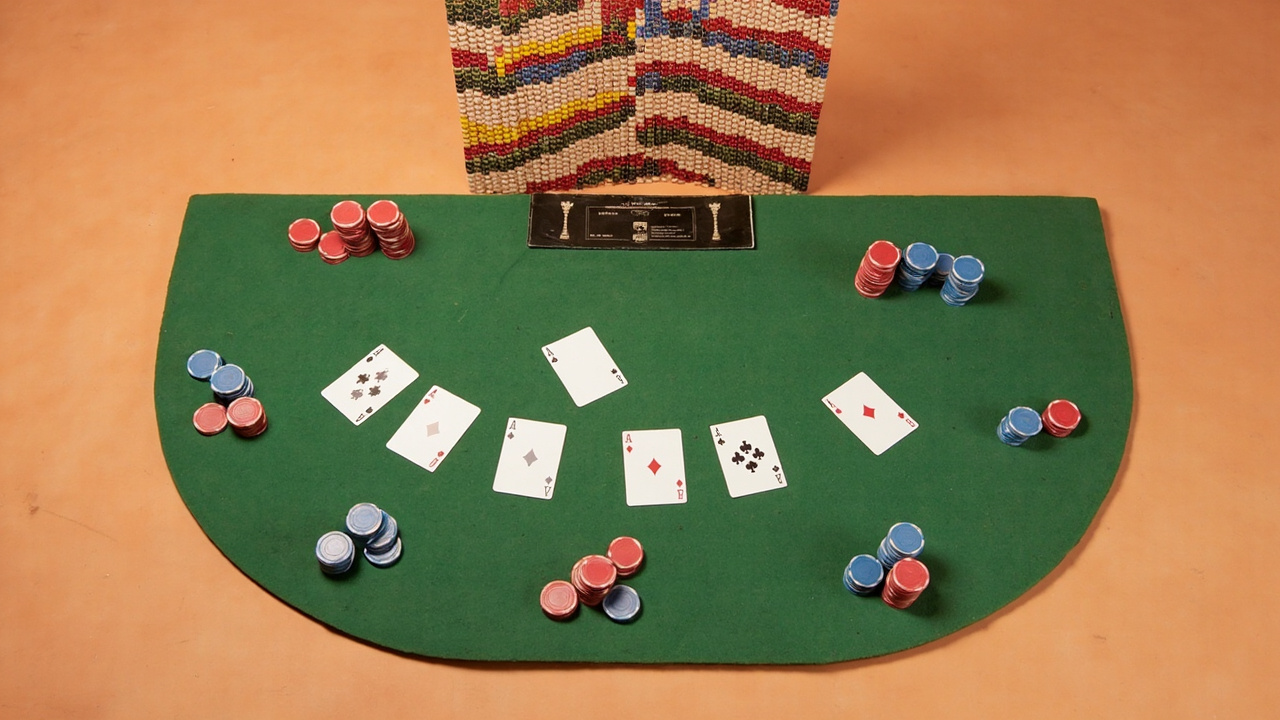
The matched-deposit bonus is the most familiar hook on these sites, and the most misunderstood. A headline of “200% up to A$2,000 plus 150 free spins” can look generous until you read the wagering multiplier, the game weighting and the maximum bet while a bonus is active. The strongest brands print those numbers on the bonus card itself, not three pages deep into the bonus policy. The weaker ones rely on the rock-and-roll glamour of slots – Motörhead’s “Ace of Spades” is one of rock’s most famous gambling anthems, and licensed slots built around it carry that swagger into the lobby – but then quietly attach a 60x playthrough on bonus money that no reasonable session will clear.
Game libraries split into two camps. The first loads everything from a single aggregator and presents it as a curated suite; the second uses six or seven provider integrations, which gives variety but also inconsistency in loading times, jackpot tickers and demo modes. From a usability angle, the multi-provider lobbies tend to win on range but ask more of the player in terms of patience, especially on older handsets. Filters for volatility, feature buy and provider matter more than a giant tile carousel, particularly during a busy arvo when you want to get into a session quickly.
Banking withdrawals are where the trade-off gets serious. Australian players using POLi, BPAY or PayID expect near-instant deposits and at least same-day acknowledgement on withdrawals, and the better operators deliver that without making you email support for a manual review on your first cashout. The weaker brands front-load a frictionless deposit but add verification steps on the way out that drag on for a working week.
Limits, Trade-offs and What Australian Players Should Actually Weigh
Every offshore site carries a non-negotiable condition: it is not licensed by an Australian regulator, and any dispute resolution happens outside the Australian Consumer Law framework. That is not a reason to never play, but it is a reason to choose carefully. As Hannah Young, Head of Product at Ironbark Compliance Advisory, puts it: “The marketing will look familiar, but the recourse path is fundamentally different from anything a state regulator would offer. Players should treat the bonus screen as the brochure and the terms page as the contract.” That framing is fair, and it sits alongside a second concern she flagged with me – that support agents on these sites often have less authority to overturn decisions than their counterparts at properties I have opened in Manila or Macau.
Players who want extra reassurance often look for vetted options, and a detailed WooSpins casino review can help clarify payout speed, licensing, and dispute handling. Comparing such reviews side by side makes it easier to separate trustworthy operators from those with a history of delayed withdrawals. In the end, informed caution is the real safeguard when wagering beyond Australian jurisdiction.
The real trade-off is between range and recourse. A blocked offshore site can offer a 6,000-title library, provably fair originals and crypto rails that domestic operators simply do not. In exchange, you accept that complaint escalation runs through an offshore mediator rather than the ACT Gambling and Racing Commission if you happen to be playing from Canberra, or the equivalent body in your state. For a session built around entertainment value, that exchange can still feel fair. For a session where you intend to push a large balance through a high-volatility slot, the maths get uncomfortable quickly.
Two practical checks help separate the usable from the forgettable. First, confirm the licence disclosure lives in the sponsorship, not buried in legal boilerplate. Second, run a small AUD deposit via POLi or PayID and a small withdrawal within the same week before committing any larger bankroll. If the cashier stalls at either end, the bonus terms do not matter.
The brands that genuinely work for Australian players are the ones that have rebuilt their interface, kept AUD at the centre of the cashier, and treat the procedure on their own terms with the same clarity they used to push their welcome package. Anything else is just a louder version of the same old trap. If you remember the roller coaster bolted to the New York-New York skyline, you already understand the design lesson here – spectacle works when the rails underneath are sound, and it is a liability when they are not. Pick the brands that have done the structural work, and the rest of the session tends to look after itself.